


In August 2019, Maersk, the Danish shipping company, sent a container ship on an experimental trip around northern Russia. The ship ferried electronics, minerals, and 660 containers of frozen fish from Vladivostok to St Petersburg. It was chaperoned by a Russian icebreaker along most of its northern coast. It was a one-time event though: Maersk determined the route was not commercially viable since it is only accessible three months of the year. However, times are changing.
While traffic along the Northern Shipping Route (NSR) is still light, it is growing by leaps-and-bounds as the polar icecap recedes. In 2018, the icecap was 42% smaller than it was in 1980. This is attracting a lot of attention because it opens-up the 8,000-mile NSR, which is 40% shorter than the route through the Suez Canal. Container ships transiting from northern Europe to Asia can arrive in two weeks instead of four and save hundreds-of-thousands of dollars in fuel costs.
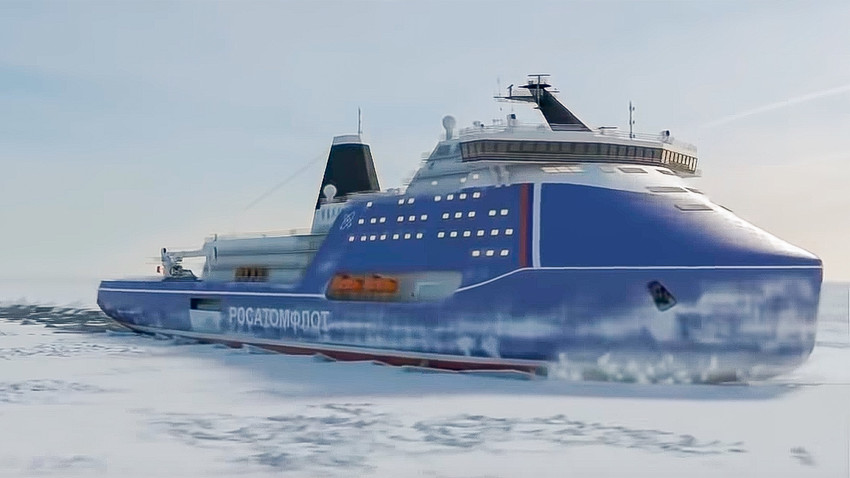
The warming trend is good news for Russia, which can enjoy icebreaker and port fees. In fact, Russia is building a fleet of nuclear-powered icebreakers which it hopes will allow year-round transit before the end of the decade. Russian also plans for seaport construction, railway construction, upgrades to four regional airports, and has reopened arctic military bases shuttered since the end of the Cold War. It is also modernizing its Northern Fleet. Exploiting the NSR increases Russia’s wealth, military strength, and foreign reach, which in turn increases its influence on the world stage.
Some studies project the Arctic Ocean will be largely ice-free during the summer by 2050. Since Asia, North America, and Europe comprise 90% of the world’s trade, it is hard to overstate the impact an ice-free Arctic will have on world trade. This prospect has already begun to shift influence. The EU has almost unexpectedly begun to cooperate with Russia on northern transit. As the EU Ambassador-at-large for the Arctic put it: “The EU’s member states have the biggest merchant fleet in the world. If there are new economic opportunities, they will be used.”
References:
Rick Noack, “Climate change cuts the shipping route between China and Europe by 5,000 miles,” Washington Post, 26 Aug 2018, A15.
Financial Times, https://www.ft.com/content/2fa82760-5c4a-11e9-939a-341f5ada9d40
Euractiv.com, https://www.euractiv.com/section/arctic-agenda/news/russia-significantly-steps-up-arctic-engagement-with-new-strategy/
Photo: Rosatom