


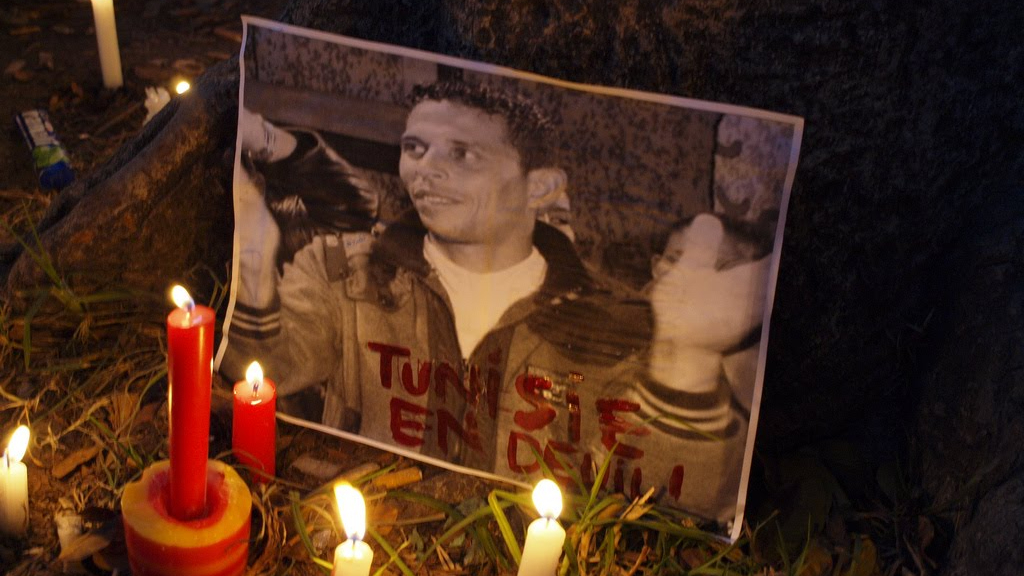
Tunisia held its presidential election last week. The incumbent president won with 91% of the vote. It was neither free nor fair. Tunisia’s struggle for democracy, which began during the Arab Spring, appears to be at an end.
Tunisia was the birthplace of the Arab Spring in 2011. Protestors throughout the Middle East and North Africa called upon their autocratic rulers to make democratic reforms. Of the six nations that initially participated, however, only one—Tunisia—became a democracy. Tunisia’s first two elections, in 2014 and 2019, were considered fair by independent observers. However, Tunisia’s economy struggled from slow growth and inflation. Kais Saied, a constitutional law professor, ran in the second election. He cast himself as a political outsider who could change the system. He won by a landslide. Then during his five-year term, he systemically dismantled democratic institutions and accrued power to himself. He fired his prime minister, he suspended parliament, he gutted the elections commission, he declared the right to rule by decree, and he pushed for a new constitution that removed judicial independence and weakened the legislative branch. He jailed over 170 people on political grounds. Finally, he ensured his reelection: of the 17 people who filed to run for president, only one was not jailed and/or disqualified.
Most Americans cannot fathom how a society can “lose their democracy,” yet it is happening right now in Tunisia. Saied applied his expertise on the Tunisian constitution to slowly remove the checks and balances that make democracy work. He made changes “legally.” Now, he has used an election to cover himself with a thin veneer of legitimacy, which most authoritarians seek because it makes it easier for them to rule.
It may be sad to think that the sacrifice made by Mohamed Bouazizi (the street vendor who immolated himself in frustration, triggering the Arab Spring) and other Tunisians has come to naught with the return of an authoritarian regime. However, perhaps the taste of democracy may make people yearn for its eventual return. In the meantime, it is worthy to note that the referendum that ushered in the new constitution, and consolidated power to Saied, was passed with low voter turnout—voter apathy allowed a democracy to slip away. It is a lesson for all democratic nations.
Source:
Sammy Westfall, “In Tunisia, Democracy’s Last Gasp,” Washington Post, 6 October 2024, A20.
Tunisia’s President Saied Wins Reelection after Cracking Down on the Opposition,” Associated Press 8 October 2024; accessed from https://www.npr.org/2024/10/08/g-s1-26834/tunisia-kais-saied-election-2024-arab-spring