The world is shifting from fossil fuels to electricity. Electric versions of major end-items, such as cars and airplanes, are being developed. Electric grids are getting larger and smarter. And there is an unprecedented push for renewable energy and battery technology. However, will this be enough to accelerate human societal development? Probably not. The weak link is renewable energy. While renewables may become a greater portion of the energy mix, they are unlikely to have enough impact to accelerate human progress. However, something else might.
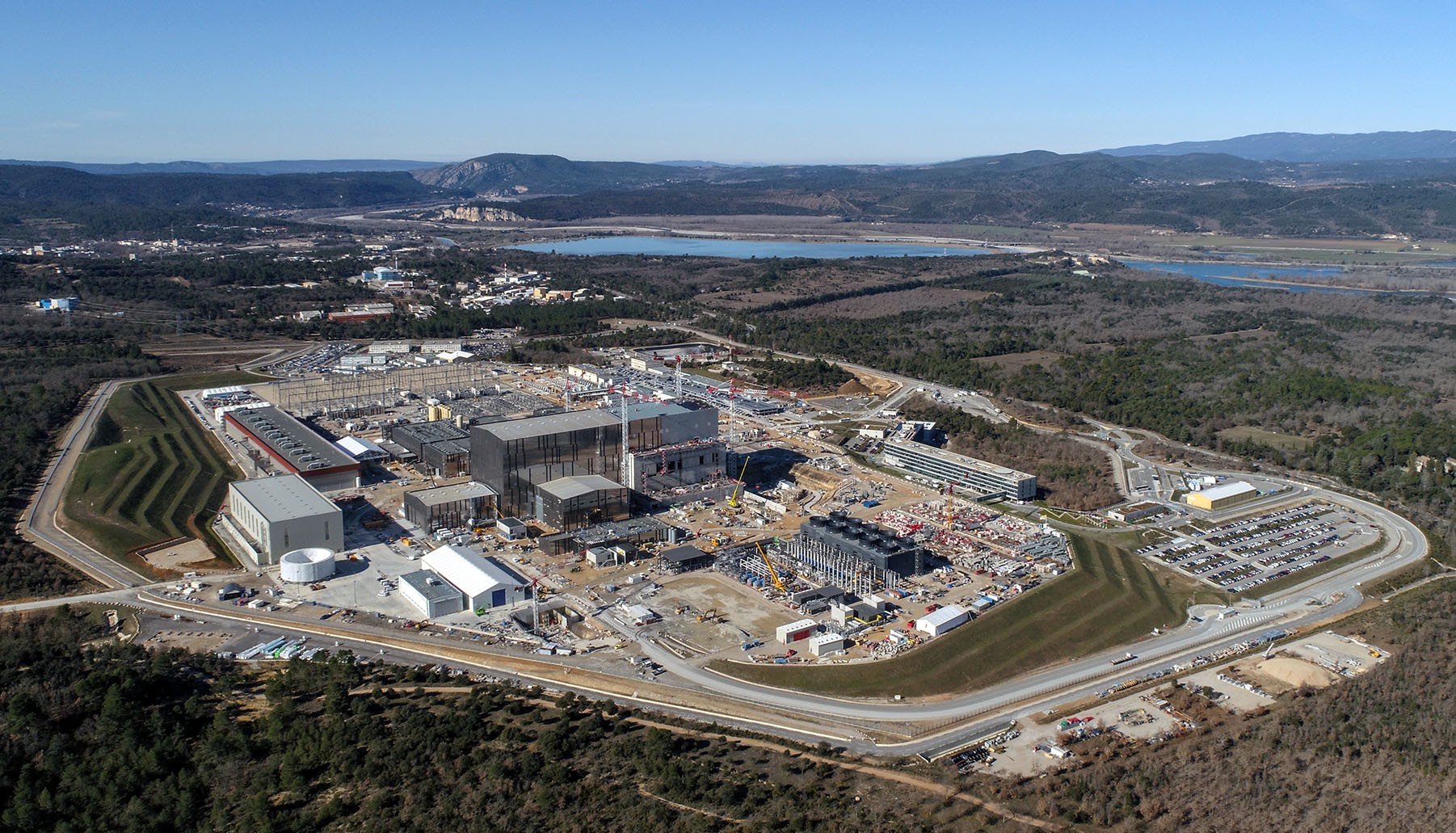
Last November, ITER finished pouring concrete on its seven-story reactor building. ITER, which initially stood for the International Thermonuclear Experimental Reactor, has been under construction since 2007 in southeast France. It is a sprawling 445-acre campus where 34 nations hope to create fusion energy—the energy that powers the sun—here on earth. The project was conceived at the 1985 Reagan-Gorbachev Summit in Switzerland. Now the US, Russia, China, the EU, India, Japan, and South Korea are all investing in hopes that it will lead to an unlimited source of cheap energy for future generations.
By 2025, ITER hopes to begin experimenting with plasma—the material that composes the sun. By 2035, the program hopes to achieve a sustainable fusion reaction. If the concepts prove-out, by late-century, the world may have abundant, cheap energy. And that would do it. That would accelerate human societal development. A fusion-based world will be a faster world: things will move cheaper, farther, faster. The pace of life itself will quicken. This will in turn begin a chain of events that pushes the world to its next societal level.
ITER is expected to cost between $22 and $65 billion before it is finished. However, the prospect of unlimited energy, and finally cutting the cord from fossil fuel, is a bet that leading nations are willing to place. Let’s all keep our fingers crossed.
Reference:
Richard J Hawryluk and Hartmut Zohm, “The challenge and promise of studying burning plasmas,” Physics Today (72,12), Dec 2019, retrieved from https://physicstoday.scitation.org/doi/10.1063/PT.3.4363
“On the Road to ITER Milestones,” ITER, retrieved from https://www.iter.org/proj/itermilestones#150
No responses yet