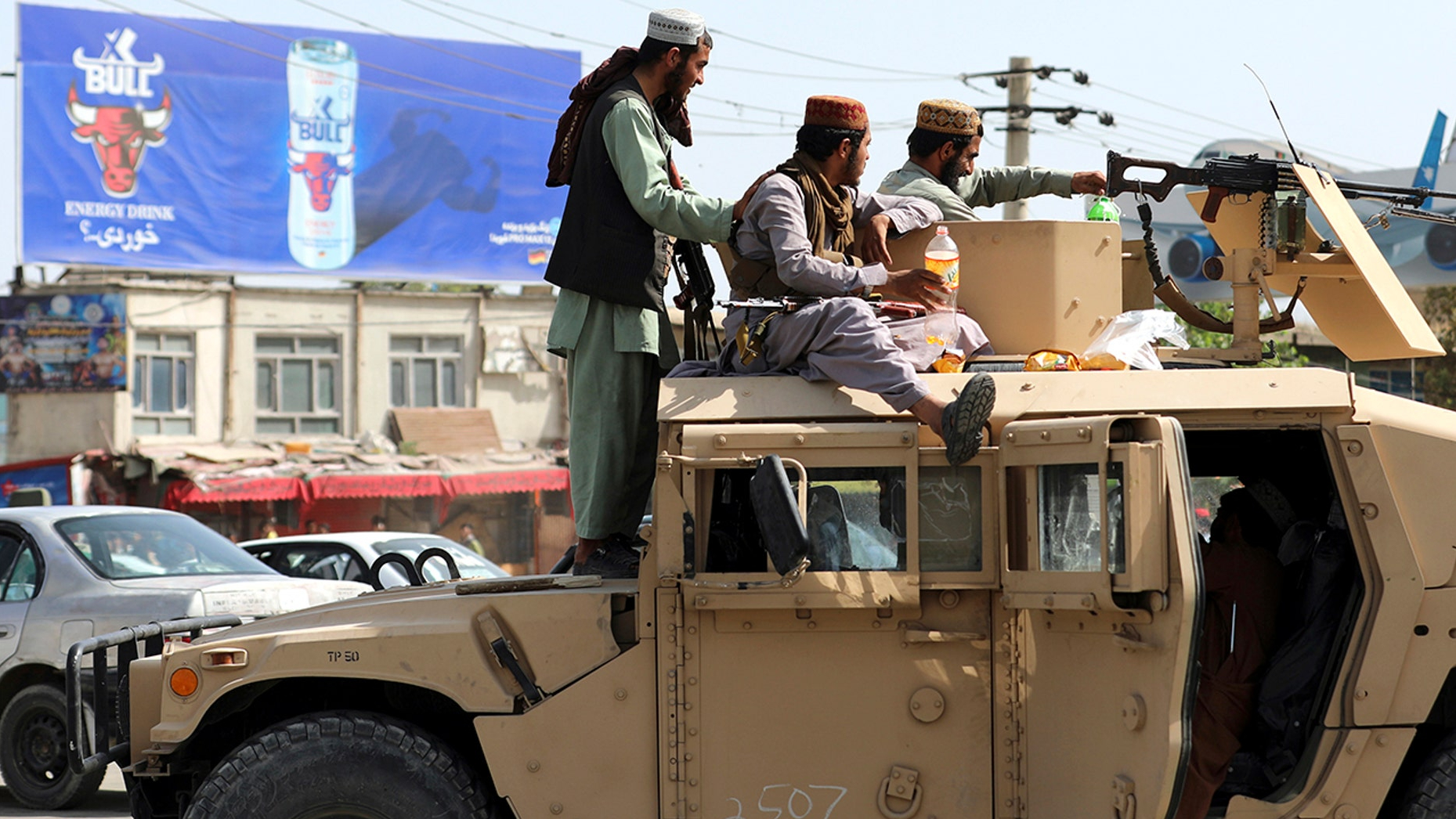
The Afghan government fell on Monday, bringing America’s longest war to an end. It took only ten days from start to finish. Zaranj, the far west provincial capital, fell first. Then Kunduz fell, after local tribal elders negotiated its surrender. Then Kandahar, Mazar-e-Sharif, Bagram Airbase, and Jalalabad all fell without resistance. Early Sunday, Afghan politicians were boarding planes at the Kabul airport. The president fled that afternoon. By evening, the Taliban marched into the city under their new name—the Islamic Emirate of Afghanistan. The streets filled with panic, police stripped off their uniforms, and the American Embassy was shuttered.
Then the finger-pointing began. Republicans blamed Biden. Biden pointed to the Trump peace deal. Many blamed policies across several administrations. The White House blamed the Afghan Army for not fighting. The Afghan Army blamed the Americans for withdrawing. Afghan citizens blamed their government for corruption and incompetency. And the Taliban blamed, or rather credited, Allah, saying they did not expect to win so quickly.
What really explains all of this? Long-time readers of this blog—or those who have read my book, World Leadership—will understand that all these are just the symptoms. The critical event occurred after the Taliban was first ousted, when the Afghan loya jurga (governing council) decided it wanted Afghanistan to become a republic. In societal development terms, Afghanistan is between a chiefdom and a fiefdom, but it wanted to become a nation-state before it was ready for it. Loyalties were still tied to local chieftains, not democratic principles. Militias were the natural fighting force, not a government army. As such, the Taliban was a natural fit for Afghanistan, while the central government was an aberration. And it takes generations to change. Restoring the monarchy would have been a better move, since it was closer to where the people were.
No one could have foreseen the implications of this decision back in 2001. Nevertheless, getting it wrong was costly: 2,400 US service members; 3,800 contractors; 1,100 allied personnel; 66,000 Afghan military and police; and 47,000 civilians; as well as $2¼ trillion dollars. Let us all understand this concept now, so we don’t repeat this experience.
Source:
David Zucchino, “Kabul’s Sudden Fall to Taliban Ends US Era in Afghanistan, NY Times, 15 Aug 2021, accessed at https://www.nytimes.com/2021/08/15/world/asia/afghanistan-taliban-kabul-surrender.html
Susannah George, Claire Parker, John Hudson, Karen DeYoung, Dan Lamother, and Bryan Pietsch, “Afghan Government Collapses as Taliban Sweeps In, US Sends More Troops to Aid Chaotic Withdrawal,” Washington Post, 15 Aug 2021, accessed at https://www.washingtonpost.com/world/2021/08/15/afghanistan-taliban-kabul-embassy-jalalabad/
Scott Neuman, “Afghanistan Falls to the Taliban Again As the US-backed Government Collapses,” NPR, 15 Aug 2021; accessed from https://www.npr.org/2021/08/15/1027860324/the-taliban-win-control-of-afghanistan-as-the-u-s-backed-government-collapses
Natasha Ishak, “The Rapid Fall of Afghanistan to Taliban Forces, Explained,” VOX, 15 Aug 2021, accessed from https://www.vox.com/2021/8/15/22626082/kabul-capital-fall-afghanistan-government-taliban-forces-explained
Photo: Associated Press
No responses yet