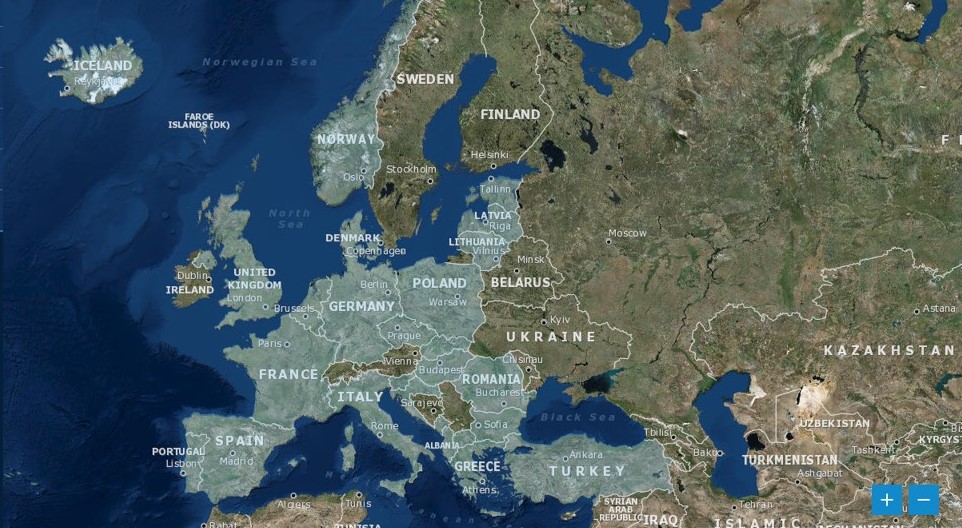
The Russo-Ukraine War is spurring on regionalization. Key events are driving this.
- The strategy of using globalization to prevent future wars is being abandoned. Western powers brought Russia and China into the global economy, believing it would help prevent conflict. This has failed so countries are revising their strategies.
- Russia and China are dragging neighbors into their sphere of influence. Ukraine is the most obvious victim, but Hong Kong has already been largely subsumed by China. The fate of Taiwan likely rests on the outcome of the conflict in Europe.
- Sanctions are deconstructing global economies. Russia is cut-off from international banking. Biden ended Russian trade relations. The EU plans to cut Russian oil imports by two-thirds this year, and altogether by 2030. Major investors in China are rethinking their exposure.
- NATO is planning for isolation rather than engagement. NATO is revising its Strategic Concept for the first time since 2010, adopting one reminiscent of Cold War containment. The US now puts Russia on par with China as a primary focus for defense planning.
- Europe is getting stronger. Europe now knows it needs to contain Russia. EU nations are increasing their defense budgets. Finland and Sweden are considering joining NATO, just as Estonia, Poland, and Slovenia have already done.
- America may pull back from global commitments. With a stronger Europe, the US may get some reprieve from overseas commitments. America may be freed-up to focus elsewhere, such as Asia, or rethink its global mission altogether.
Regionalization is the trend for the economies of neighboring countries to join together. It is occurring because technological advances and other changes make it beneficial to do so. It is a prelude to long-term societal-level change. Recent events are only symptoms of this much greater change happening in our world.
Though nations around the globe are beginning to cluster, Russia and China never learned that you attract more friends with honey than vinegar. For them, perhaps it’s hard to be appealing. In any event, the actions set in motion to counter their bullying are unlikely to change, even after Putin. The actions, and the trend, will continue.
Sources:
Karen DeYoung and Michael Birnbaum, “US Allies Plan to Isolate Russia for the Long-term,” Washington Post, 17 April 2022, A1; see also https://www.washingtonpost.com/national-security/2022/04/16/us-nato-isolate-russia/
Edward Alden, “The West Thought Money Could Tame Dictators,” Washington Post, 17 April 2022, B1.
Photo: Nato.int
No responses yet