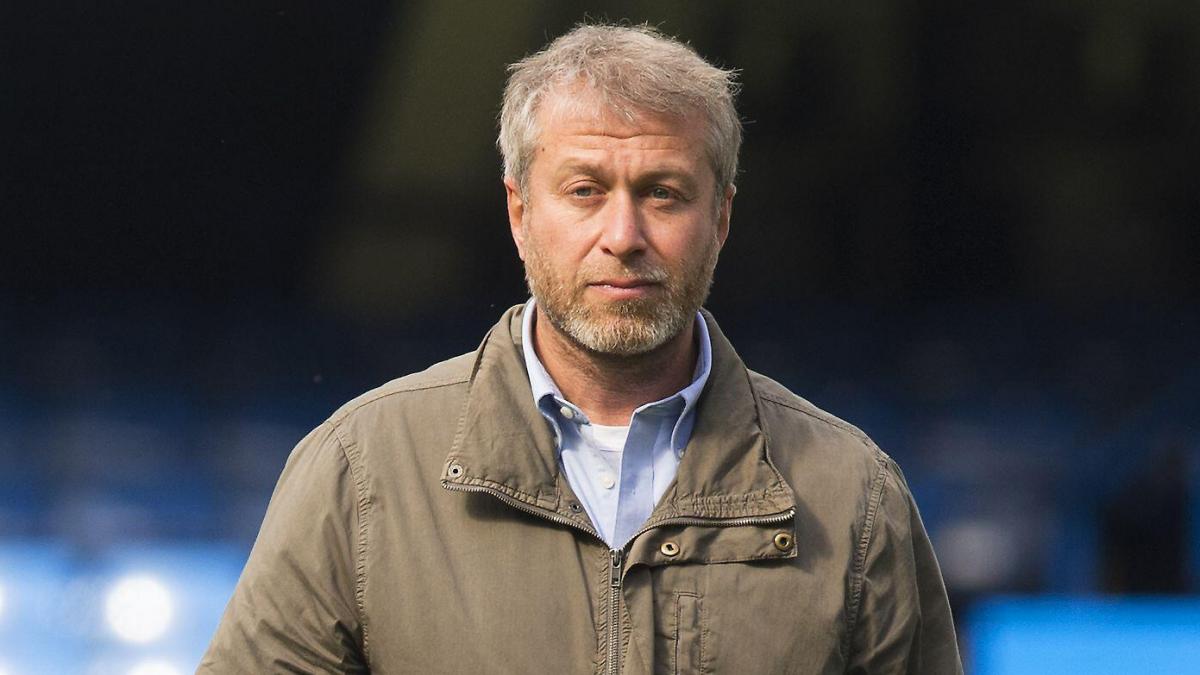
After the invasion of Ukraine, Great Britain imposed sanctions on Russian President Vladimir Putin and his billionaire friends. When Prime Minister Boris Johnson announced the sanctions, some members of parliament snickered: this was strong talk from someone who appointed a Russian mogul to the House of Lord and was the mayor of a city nicknamed Londongrad for openly harboring such individuals.
London has long been a haven for the global rich. Britain made it easy for wealthy foreigners to park their money there. With scant legal oversite, money is easily laundered. Through donations to charities and political parties, reputations are laundered as well. With tough libel laws, reporters are reticent to expose corruption. After seven years, foreigners can apply for citizenship. Russian money created a real estate boom for the city, with oligarchs owning over 150 properties, valued at over $2 billion. And a $350 million a year industry has grown up to serve them: investment brokers, property agents, tax lawyers, and even reputation managers have grown wealthy catering to their whims.
As one of four sources of leadership power, wealth has contributed to Russia’s outsized voice in world affairs. However, when a society’s wealth is concentrated in too few hands, it does not create the same amount of power that it would in a society whose wealth is more normally distributed. In the case of Russia, billionaires generate wealth by siphoning from the economy rather than by creating value, like, say, Bill Gates did. Furthermore, concentrated wealth is an easier target, which is why Western governments are going after Putin’s circle of friends.
Putin has a symbiotic relationship with the oligarchs. By keeping them in power, he keeps himself in power. When Putin invaded Ukraine, public pressure grew to crack down on the oligarchs and their enablement of the regime. Boris Johnson cancelled the visa program, froze the assets of 19 oligarchs, and introduced a reform bill that was considered long overdue. These moves attack the structural weakness in Russia’s economy; now only time will tell how much impact they have.
Source:
William Booth, Karla Adam, “Londongrad: Is Britain Finally Cracking Down on Dodgy Russian Money?” Washington Post, A18, 27 February 2022.
“Britain Under Pressure to Crack Down on Corrupt Russian Money That’s Infiltrated Its Economy,” CBS News, 3 April 2022, accessed from https://www.cbsnews.com/news/londongrad-united-kingdom-russian-oligarchs-60-minutes-2022-04-03/
Photo: Mark Pain, Alamy
No responses yet