The Biden Administration recently changed border policy, leading to a plummeting in the number of border crossings and effectively ending “catch-and-release.” This policy was a longtime coming, in part because of the complexity in pulling it together. Moreover, the results are largely due to a regional approach to the problem—something I have advocated for years.
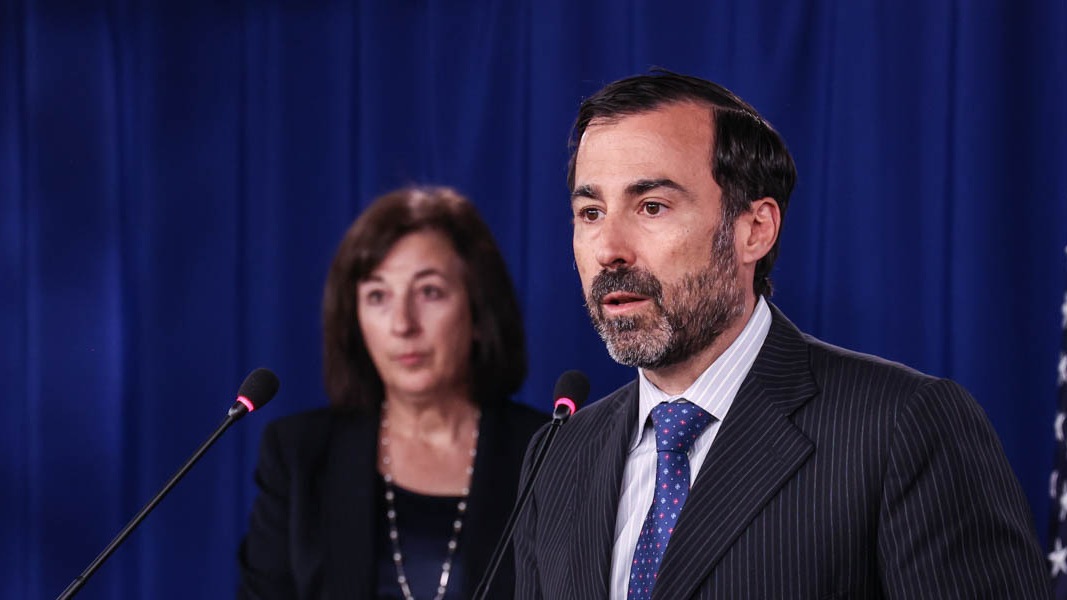
The Biden Administration’s new border plan was engineered by the former Chief Operating Officer of Customs and Border Protection, the Argentine-born, Spanish-speaking, Blas Nunez-Neto—whom many consider to be the true Border Czar. The US was having difficulty returning migrants from Venezuela, Haiti, and other places to their countries of origin. This spurred Nunez-Neto to develop a close partnership with Mexico’s Foreign Affairs Minister, Roberto Velasco. Mexico agreed to tighten enforcement, provided the US expanded legal immigration channels. Since then, Mexico has arrested a record number of migrants passing through to the US border, and the US now entertains 1500 asylum applications per day. Biden also tightened laws, nearly barring asylum for those who enter illegally and putting a ceiling on the number of border crossings per day. This new partnership has led to the signing of the Los Angeles Declaration on Migration and Protection by 22 countries, which provides a framework for collaboratively addressing migration going forward.
Migration is a regional problem and could not be solved any other way. It is one of many regional-level issues, along with security, drug trafficking, trade, and increasingly infrastructure. Regional issues will only increase in the future as technology enables greater cross-border interaction. As such, it is best to develop approaches for working such issues now.
A bi-partisan bill that would have funded more border facilities, agents, and return flights died in Congress. One might ask whether these things are still needed. Rather, the issue now is that cooperation rests on a fragile set of international accords and executive orders that are being challenged in court. Legislation is needed to solidify cooperation, strengthening the regional partnership. Hence, there is still work to be done.
Source:
Nick Miroff, “Little-known Adviser Helmed Biden’s Bid to Tighten Border,” Washington Post, 1 Sep 2024, A1; see also https://www.washingtonpost.com/immigration/2024/08/31/border-policy-biden-blas-nunez-neto/
Photo: Washington Foreign Press Center
No responses yet