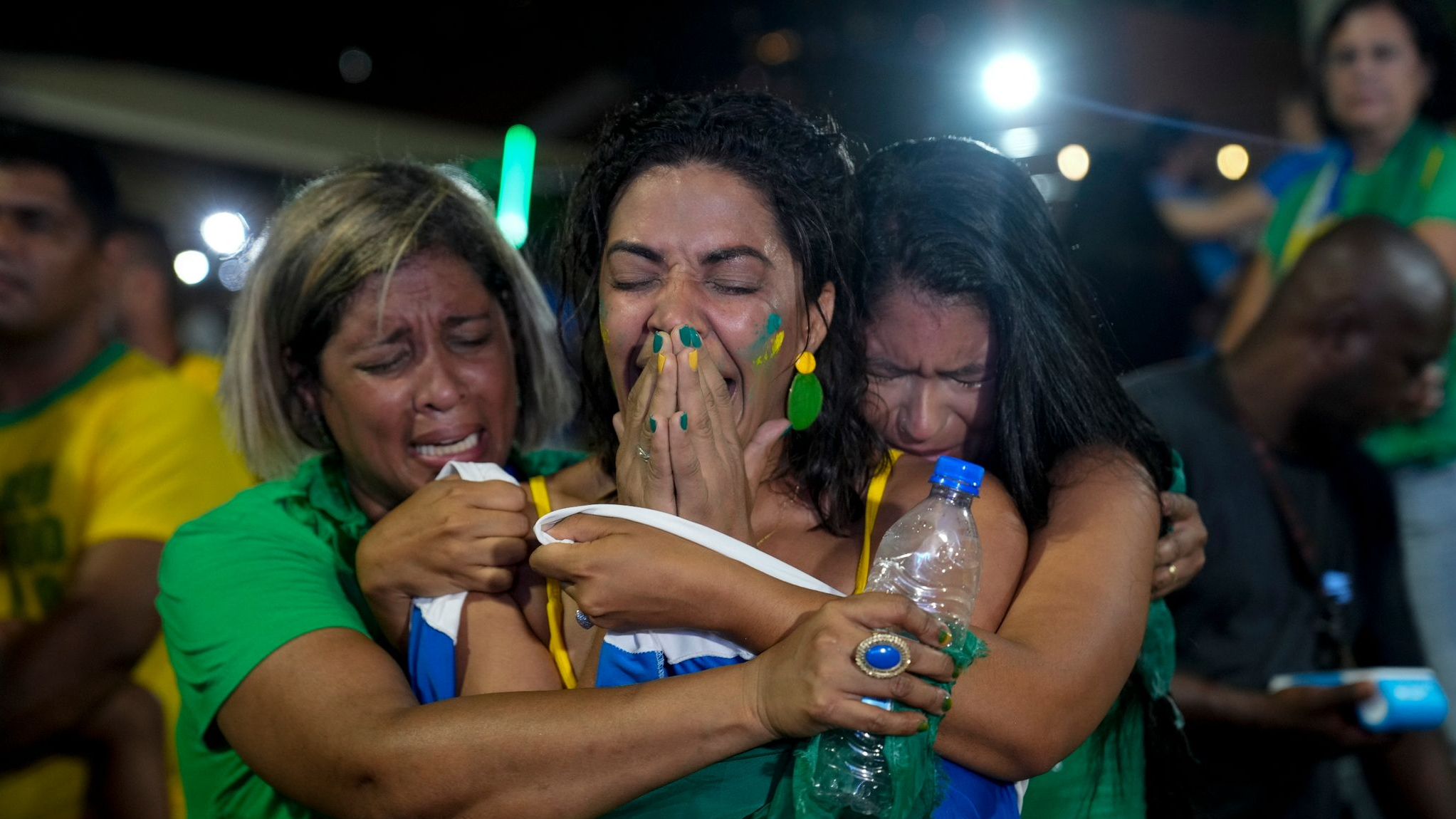
The recent presidential election in Brazil illustrates the impact social media has on politics. In this nation of 215 million, social media helped turn the election toxic, to include bandying charges of cannibalism and satanism.
The presidential election pitted the right-wing incumbent, Jair Bolsonaro, against the leftist former president, Luiz Inacio Lula da Silva. Unlike past elections, however, which focused mostly on budgets and spending, this one spotlighted culture wars, election challenges, and skepticism about democracy itself. Violence soared—over 200 election-related attacks and 21 killings between July and September—more than twice the previous quarter. And fake news commanded cyberspace. Right-wing accusations claimed that election machines were prone to fraud, the corona virus was only “a little cold,” and that Lula was linked to organized crime, was a closet communist, and was even a satanist. Left-wing accusations included that Bolsonaro had confessed to cannibalism and pedophilia. Research found that 60% of Facebook and Instagram recommendations pushed Brazilians toward misinformation, while Meta and TikTok had also steered millions of Brazilians toward baseless accusations, false claims, and extremist content. “This country has always been a happy country, which liked to party, liked soccer, dancing, and Carnival,” said Lula. “I have never seen Brazil taken by such hatred as a part of Brazilian society has today.”
Social media has an amplifying effect on societal emotions. Societies are becoming more interconnected, so this trend will not change. This increases the potential for the more dangerous aspects of society to coagulate, gain strength, and unleash detriment. Societies need to learn how to control this, either by moderating online content or identifying how to think and feel differently about each other, or both.
Actions were taken to tamp-down the rhetoric before the run-off election. Meta updated its search rules to point users to factual information instead of false information. Brazil’s electoral court gave its chief the authority to force tech companies to remove illicit posts. In the run-off, Lula won with 50.9% of the votes versus 49.1% for Bolsonaro. The 77-year-old takes office on January 1. In one bright spot, unlike predictions, Bolsonaro did not challenge the results—though he didn’t make a concession speech either.
Source:
Anthony Faiola and Gabriela Sa Pessoa, “Satanist or cannibal? Brazil Runoff gets Ugly,” Washington Post, 30 October 2022, A1.
Elizabeth Dwoskin, “In Brazil, TikTok and Meta are Aiding “Stop the Steal” Fray, Washington Post, 30 October 2022, A21.
Brian Ellsworth and Lisandra Paraguassu, “Lula Narrowly Defeats Bolsonaro to Win Brazil Presidency Again,” https://www.reuters.com/world/americas/brazil-votes-heated-bolsonaro-vs-lula-presidential-runoff-2022-10-30/
Photo: Alexandre Cassiano/Agência O Globo
No responses yet