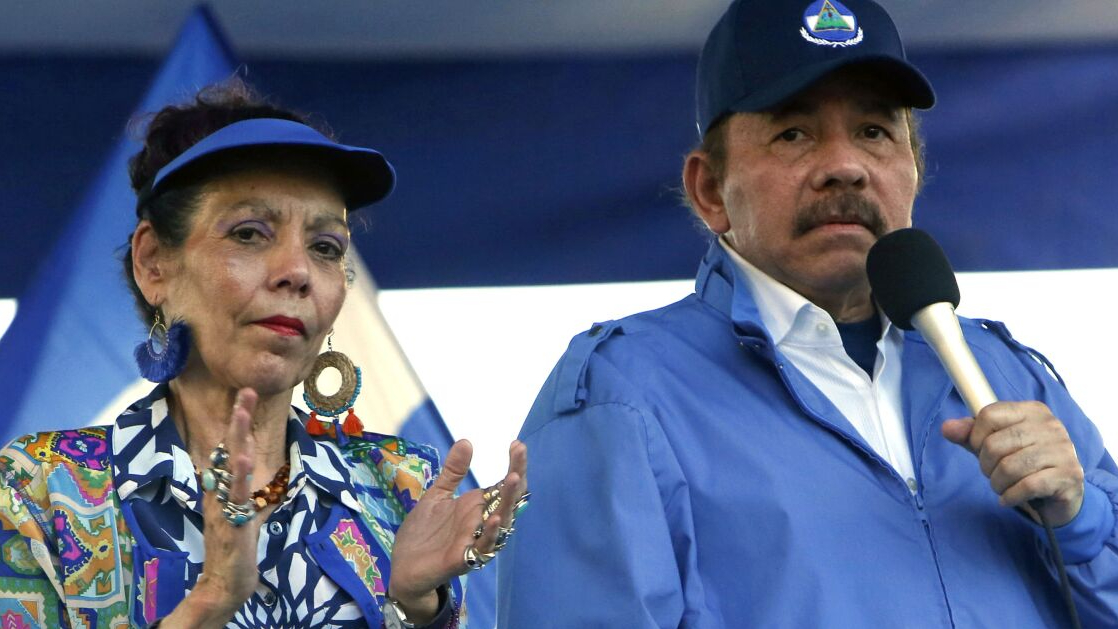
This month, Nicaragua sentenced five Catholic priests, two seminary students, and one cameraman for a Catholic TV channel to 10 years in prison for treason. This is just the latest crackdown by President Daniel Ortega against those whom he considers his opposition.
Over the last couple of years, the Ortega regime has arrested more than a dozen priests, expelled missionaries and nuns, and closed Catholic radio and television stations. Last year, Ortega expelled the papal nuncio, the Vatican’s top diplomat in Nicaragua. Ortega blames the church for supporting pro-democracy protests in recent years. In April 2018, university students began protesting a nature reserve fire. This expanded into protests over cuts in social security and higher taxes. In response, the regime sponsored counter-protestors, who violently set upon the students. Through news and social media, word of the violence spread and protests erupted across the country. By December, over 300 people had been killed and over 500 imprisoned. Until that time, Ortega’s dictatorship had been relatively quiet. He came to power as part of a Marxist junta in 1979. He won a general election in 1984 but lost in 1990. When he came back into power in 2006, he began dismantling Nicaragua’s democracy. Subsequent elections were considered shams by observers, but he was popular, the economy had grown, foreign investment was steady, and Nicaragua had none of the gang problems its neighbors had.
Nicaragua is one of the few remaining Marxist dictatorships left and the aging Daniel Ortega is clinging to power. Nicaragua’s checks and balances were not robust enough to stop his power grab after the 2006 elections. And while the dictatorship had success for a time, it ultimately ran into trouble when students demanded freedom to express their own political views—a natural progression.
As things worsened, Ortega took more desperate actions to hold onto power. Since 2021, Ortega has arrested dozens of opposition leaders, including seven potential presidential candidates, and he clamped down on the independent media. Last summer, the US nominee for ambassador was prevented from assuming his post. Last fall, Ortega ordered the European Union’s ambassador out of the country, declaring her persona non grata. Nicaragua will likely continue to isolate itself until Ortega passes or is toppled from power.
Source:
“Catholic Priests in Nicaragua Sentenced to Decade Behind Bars,” Reuters, 6 February 2023; accessed from https://www.reuters.com/world/americas/catholic-priests-nicaragua-sentenced-decade-behind-bars-2023-02-07/#:~:text=MANAGUA%2C%20Feb%206%20(Reuters),critics%20of%20President%20Daniel%20Ortega.
“5 Priests Sentenced to 10 Years for Conspiracy in Nicaragua,” Associated Press, 7 February 2023; accessed from https://apnews.com/article/politics-vatican-city-caribbean-daniel-ortega-managua-bae324716a3fef9f017edf8911b5c870
“Nicaragua Asks EU Ambassador to Leave the Country,” Reuters, 28 September 2022, accessed from https://www.reuters.com/world/americas/nicaragua-declares-eu-ambassador-country-persona-non-grata-local-media-2022-09-28/
“Daniel Ortega,” Wikipedia, accessed 9 February 2023.
Photo: Associated Press
No responses yet