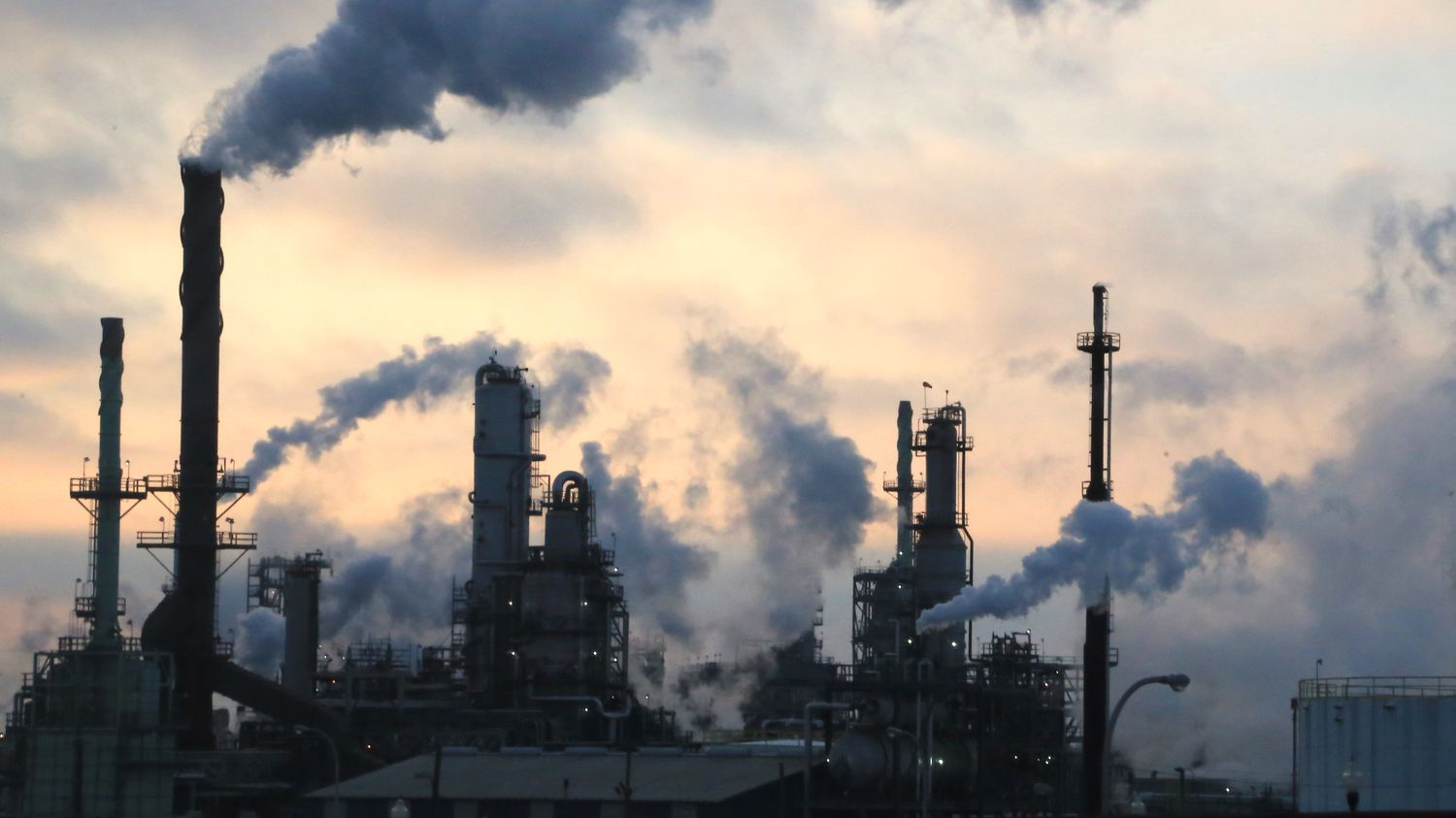
Last month, the Biden Administration announced the most aggressive set of climate-oriented regulations in decades. The regulations are designed to push America off fossil fuels by mid-century. The question remains, however: push toward what?
The Biden Administration announced restrictions that almost eliminate emissions from fossil-fuel plants by 2040. The EPA recently released the strongest ever restrictions on car and truck emissions. And Congress has joined the effort as well, providing subsidies to study carbon capture, approving $7.5B in new charging stations, and developing plans for a bill that restricts methane gas emissions. All of this is part of Biden’s election promise to cut America’s 2005 greenhouse gas emissions in half by 2030. Now much of the focus will shift to the electric grid, which sorely needs upgrading and expansion. By one estimate, the grid will need to expand 60% by 2030, and possibly 200% by 2050, to achieve climate goals.
The shift from fossil fuels to an electricity-based power infrastructure appears to be accelerating. However, even with that infrastructure, a new source of energy will be required to course through it. New technology will be needed to generate the power for electric vehicles, and it is unlikely that solar and wind alone can fill that bill. In World Leadership, I offered that nuclear fusion would be the likely new source. Current plans target its delivery by mid-century, though a lot of things need to go right for that to happen. Nevertheless, multi-billion-dollar, multinational efforts continue.
Many barriers still exist for converting the power infrastructure to electricity-based. It takes wind and solar developers years to connect to transmission lines. Financial and regulatory hurdles prevent the effective operation of a smart grid. It is unclear how companies will secure all the minerals needed to build EV batteries. And the US only has 140,000 charging stations (Europe has 400,000 and China has 1.2 million). While these challenges are daunting, facing them today may help ensure any new power source that becomes available by mid-century is usable as soon as it comes on-line.
Source:
Timothy Puko, “EPA Plans Drastic Cut in Power Plant Emissions,” Washington Post, 23 April 2023, A1; see also, https://www.washingtonpost.com/climate-environment/2023/04/22/epa-power-plant-emissions-climate/
Evan Halper, Timothy Puko, “Biden’s Ambitious Climate Plan for EVs Faces these Big Hurdles,” Washington Post, 16 April 2023, A8; accessed from https://www.washingtonpost.com/climate-environment/2023/04/15/electic-cars-biden-epa-climate/
Photo: Douglas Sacha, Getty Images
No responses yet