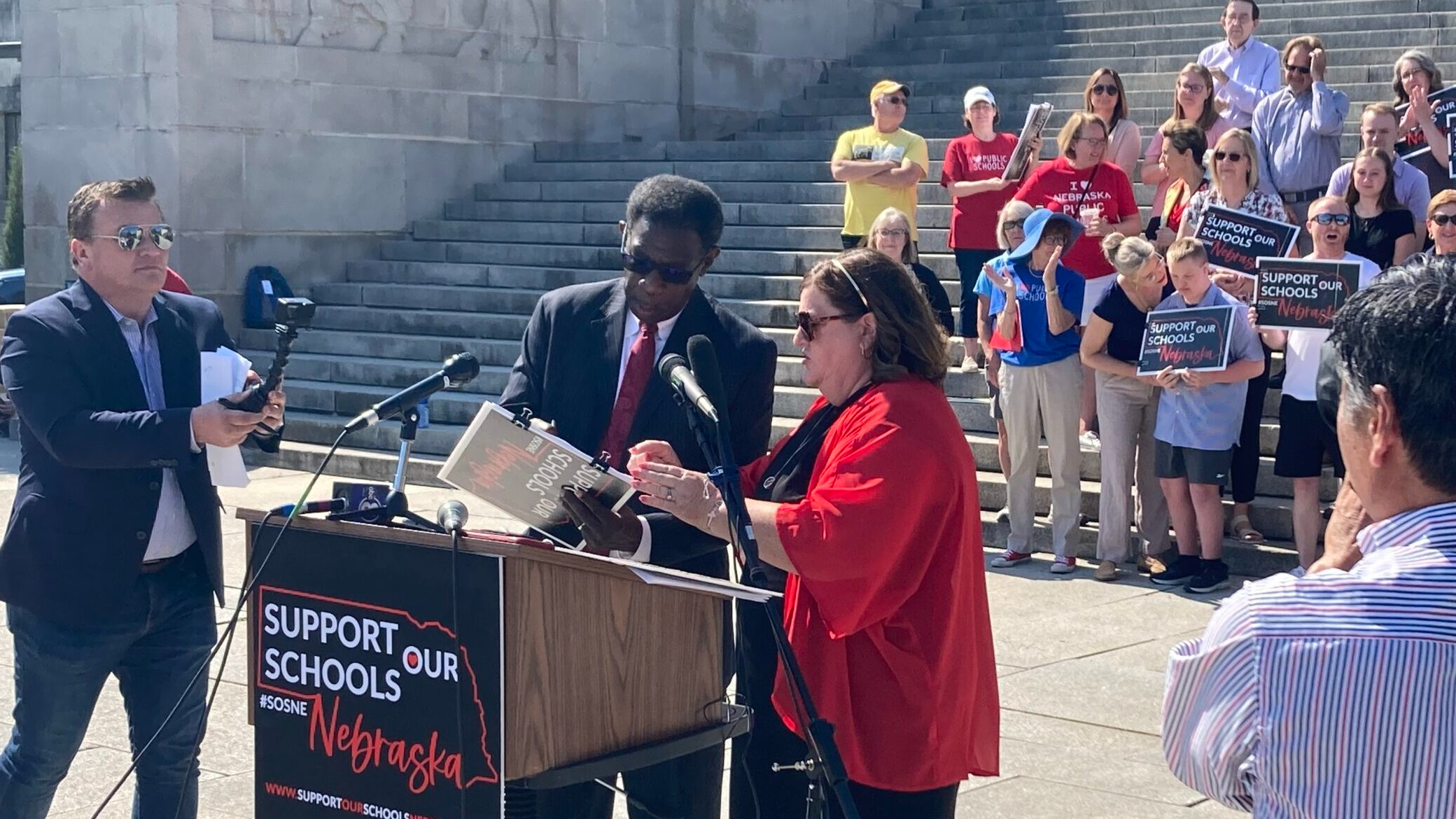
In Nebraska, a group of citizens is going door-to-door, asking fellow citizens to sign a petition that would place on the next ballot a law requiring employers to allow five unpaid sick days each year. The law failed twice in the state legislature despite polls showing its widespread popularity. Once again, Nebraskans are turning to a referendum to enact legislation their legislators wouldn’t.
In 2018, Nebraska used a referendum to expand Medicaid coverage to low-income families—a bill that failed six times in the state legislature. In 2020, a referendum capped the interest rate that payday lenders could charge. Last year, Nebraska’s voters approved raising the minimum wage from $9 to $15 an hour. These seemingly blue issues were passed in a red state. Many people believe these issues are neither republican nor democrat since they affect nearly everyone’s lives. Two dozen states allow citizen-sponsored referenda and both democrats and republicans have used it for a host of issues. As states became either all-red or all-blue, positions associated with the minority party ceased to see the light of day on legislature floors. While the referendum process is slow, expensive, and sometimes confusing (in Nebraska, putting an issue on the ballot requires approval of seven percent of overall voters and five percent of voters in 38 of Nebraska’s 93 countries), citizens turn to “direct democracy” to push through the legislation most people want.
Direct democracy will increase over time. In World Leadership, I document this trend which began centuries ago. In fact, the users of direct democracy are ahead of the game. Once technology makes referenda easier to execute, it will alter governance. Direct democracy, along with the controls associated with a digital legal infrastructure, will launch the next governance basis: direct governance.
Critics of direct democracy say it can be manipulated by well-funded out-of-state organizations. (Most funding for the paid sick leave initiative comes from a group based in Washington DC.) However, supporters see it as a check on a system that stopped listening to them. When people are fed-up with their representatives, one of the options they have is to bypass them.
Source:
Greg Jaffe, “A Boom of Ballot Initiatives is Reshaping a State’s Democracy,” Washington Post, 26 November 2023, A1; also https://www.washingtonpost.com/politics/2023/11/15/nebraska-ballot-initiative-paid-sick-leave/
Photo: Paul Hammel, Nebraska Examiner
No responses yet