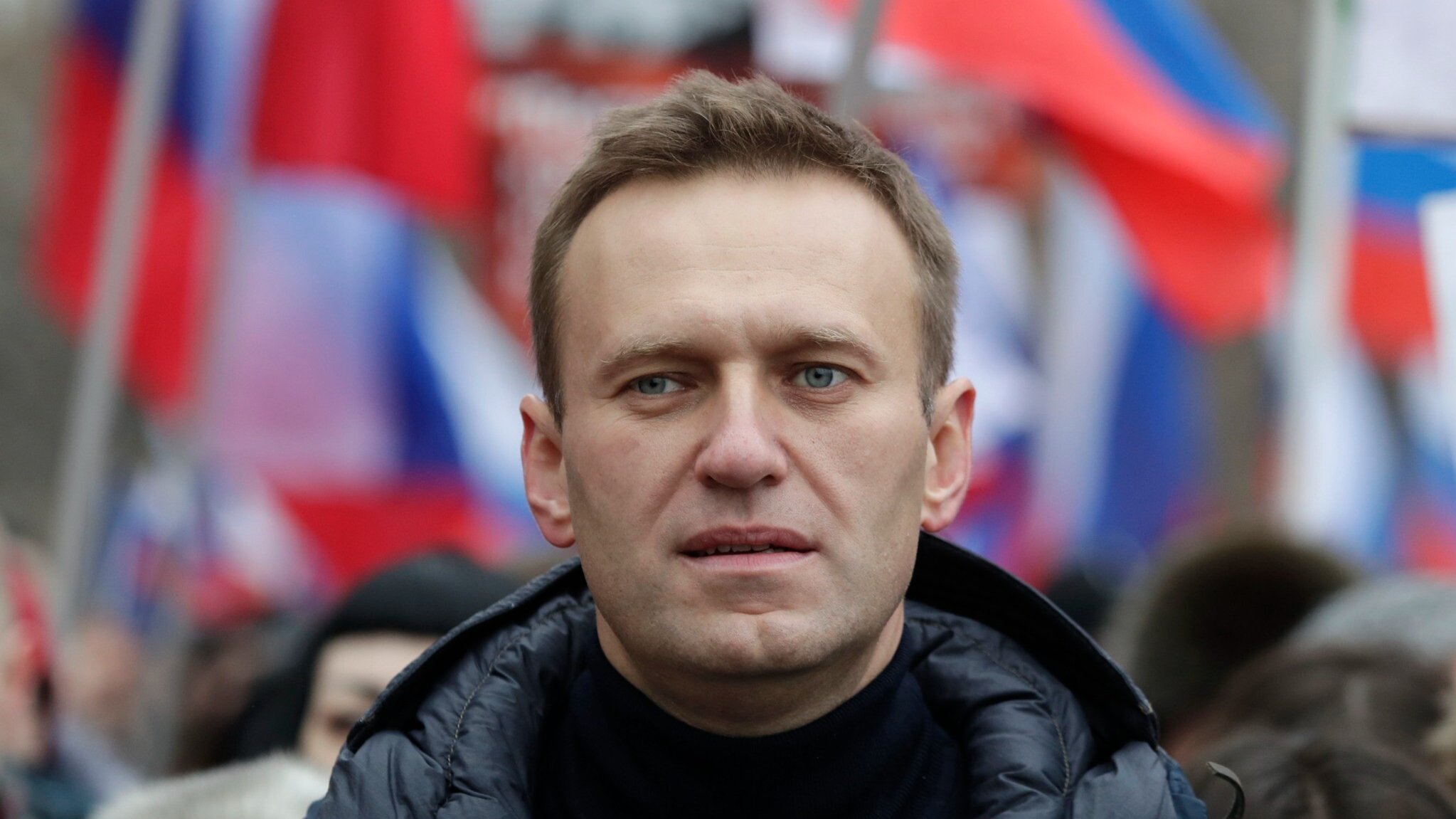
Alexie Navalny, Vladimir Putin’s chief political rival, died last week in a Russian prison. He died while taking a walk. To many, however, Putin silenced a long-time adversary who threatened him and his hold on Russia.
Navalny was a 47-year-old lawyer who rose to prominence over a decade ago by exposing corruption in the Soviet government. The Russian government called him a puppet for the CIA and an extremist, but for many, Navalny offered hope of a different future than that which Putin presented. Navalny was serving a 19-year sentence at the Polar Wolf prison in Kharp, Russia, just north of the Artic Circle. He was repeatedly placed in punishment for various offenses and a bad attitude. Yet he kept his sense of humor: “It has not been colder than -32C yet. Nothing quite invigorates you like a walk in Yamal at 6:30 in the morning.” During his walk around prison grounds, he fell ill and attempts to resuscitate him failed. (One prisoner noted that the ambulance did not arrive until long after his death.) The original cause of death was listed as “sudden death syndrome”—something akin to a heart attack. His body won’t be released to his family for two weeks. His wife, Yulia, noted that’s how long it takes Novichok poison to disappear from a person’s system. Western leaders have resoundingly decried his death and blame Putin for it. The UK and US have levied sanctions against prison officials.
As an anti-corruption, pro-democracy advocate, Navalny tried to push Russia forward. As an authoritarian, Putin holds Russia back. Authoritarianism is a more primitive form of government than democracy. One characteristic of authoritarianism is corruption. “Corruption” is a normal part of any authoritarian system and only considered bad when it is viewed by a system based on rule-of-law—it undermines consistent application of the rules and the laws. When Navalny began speaking against corruption, he inherently began speaking against Putin’s authority.
I have written about Navalny five times over the years, and somehow, it doesn’t feel like it’s supposed to be this way—the good guy didn’t win. But he knew the risks and bore them intrepidly. In Moscow in 2011, Navalny told an interviewer: “That’s the difference between me and you: you are afraid, and I am not afraid. I realize there is danger, but why should I be afraid?”
Source:
Guy Faulconbridge, Felix Light, “Putin Foe Alexei Navalny Dies in Jail, West Holds Russia Responsible,” Reuters, 16 February 2024; accessed from https://www.reuters.com/world/europe/jailed-russian-opposition-leader-navalny-dead-prison-service-2024-02-16/
Lucy Papachristou, “What We Know About Alexei Navalny’s Death in Arctic Prison,” Reuters, 19 February 2024; accessed from https://www.reuters.com/world/europe/alexei-navalnys-death-what-do-we-know-2024-02-18/
James Gregory, James Landale, “Alexei Navalny: UK Sanctions Russian Prison Chiefs After Activist’s Death,” BBC, 21 February 2024; accessed from https://www.bbc.com/news/uk-68359709
Photo: Pavel Golovkin, AP
No responses yet